
By LAN HA OVERNIGHT CRUISE · 3 min read · Sources checked
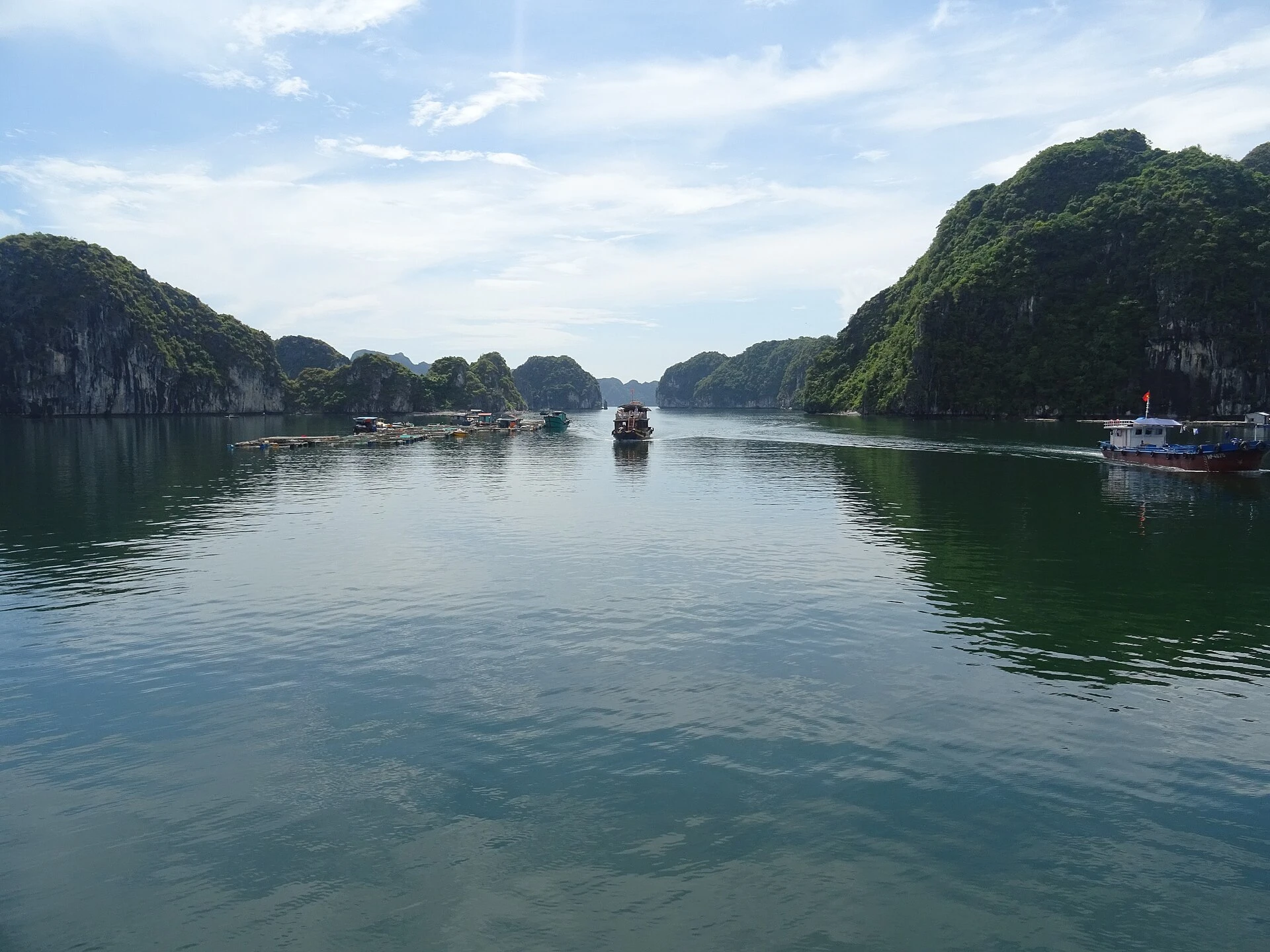
An overnight cruise offers several kinds of subject: distant limestone silhouettes, details on board, changing reflections and the relationship between boats and the landscape. Pick two or three interests instead of arriving with a list of photographs that must all happen at exact times.
Check the trip for your datesIn this guide
Choose subjects rather than a shot list
An overnight cruise offers several kinds of subject: distant limestone silhouettes, details on board, changing reflections and the relationship between boats and the landscape. Pick two or three interests instead of arriving with a list of photographs that must all happen at exact times.
Cloud cover, water conditions and the operating route will shape what you see. A sunset image in a gallery is an example of a previous moment, not a forecast for your departure. Treat different light as part of the experience rather than a failure to reproduce the advertisement.
Ask about the route before choosing equipment
Read the itinerary and ask how any village visit, kayaking session or smaller-boat transfer works. This helps you decide whether to carry a larger camera or travel with a simpler setup. Do not assume that luggage or equipment can accompany every activity in the same way.
Confirm storage and handling arrangements with the operator if your equipment needs special care. Pack so that your hands can remain available when the crew directs you during boarding. A smaller kit that you can manage comfortably is often a more useful choice than equipment you are reluctant to move.
Share the deck and respect residents
Keep stairs, gangways, handrails and working areas clear. Ask before moving furniture or setting up equipment in a shared space. Other guests also want to watch the bay; taking a short turn at a viewpoint makes the experience better for everyone.
When a route passes homes or working boats, remember that the people there are residents and workers. Ask before photographing someone closely. Avoid turning a private doorway, work area or family meal into a scene simply because it looks interesting from the water.
Leave space for a different day
Build your plan around the confirmed programme. Do not request an unscheduled stop or pressure the crew to change position for a photograph. The captain and operator decide what is appropriate for the conditions and route.
If photography is a main reason for the trip, explain your interests before booking. Ask what can reasonably be observed from the selected departure without requesting guarantees. You will come home with a more honest record of the bay when the pictures follow the journey.
Bring home an honest set of images
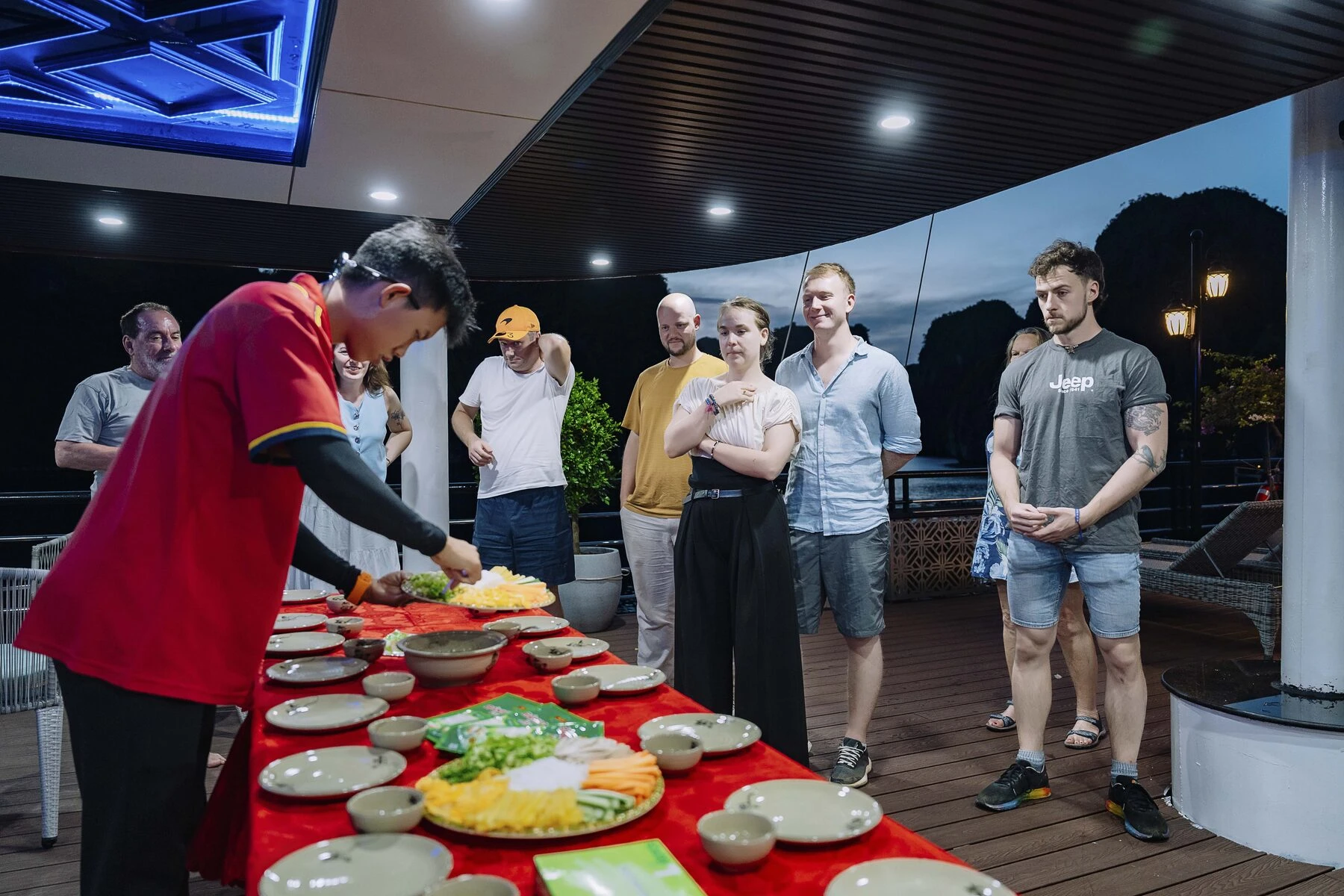
Treat changing light and conditions as part of the trip rather than a failure to reproduce an advertisement. A cloudy morning, a shared dining scene or a quiet cabin detail can still describe the experience accurately.
If the main purpose is a professional shoot, explain that separately before booking; an ordinary passenger itinerary does not provide a production schedule, exclusive spaces or model releases. For a holiday record, a small workable camera plan and respect for the actual programme are a better starting point than a checklist of guaranteed dramatic scenes.
Questions answered
Does a sunset-party itinerary guarantee a sunset photograph?
No. It describes the planned programme, not the weather or quality of light.
Does the cruise listing establish drone permission?
No. No drone access or filming permission is established by the reviewed service information.
Before you confirm
This guide draws on the listed services and booking policies. Your selected operator’s availability, itinerary, inclusions and final quote are confirmed for your travel date.
Further reading
Related planning guides
Choose the trip that fits your plans
Send your date and the specific requirements discussed here so the selected programme can be checked before payment.
Check this overnight cruise